UN SDGs Alignment
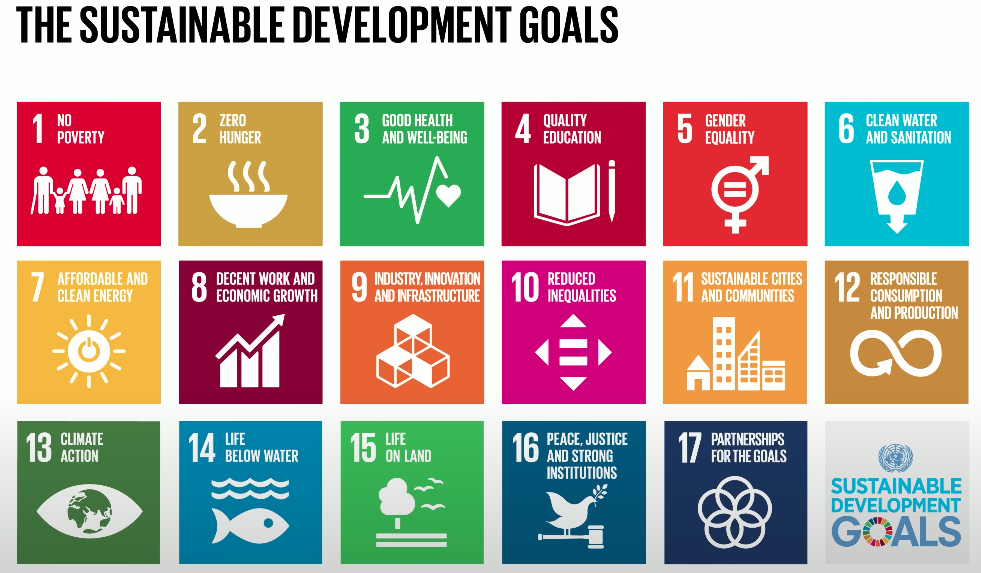
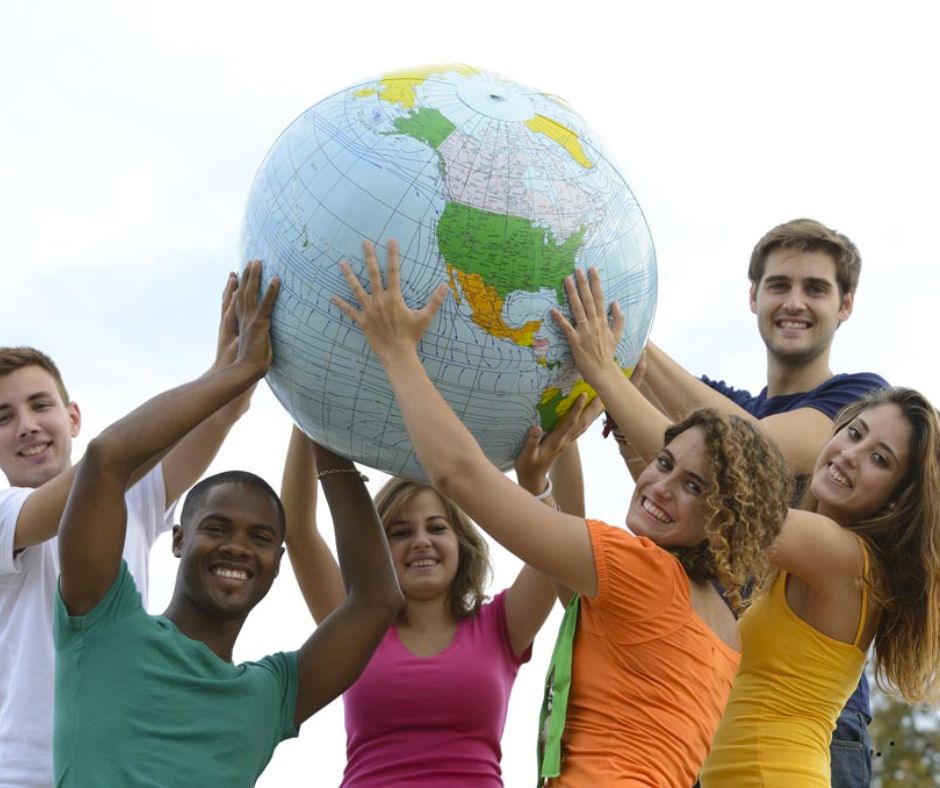
The 2030 Agenda for Sustainable Development, adopted by all United Nations Member States in 2015, provides a shared blueprint for peace and prosperity for people and the planet, now and into the future. At its heart are the 17 Sustainable Development Goals (SDGs), which are an urgent call for action by all countries – developed and developing – in a global partnership. They recognize that ending poverty and other deprivations must go hand-in-hand with strategies that improve health and education, reduce inequality, and spur economic growth – all while tackling climate change and working to preserve our oceans and forests.
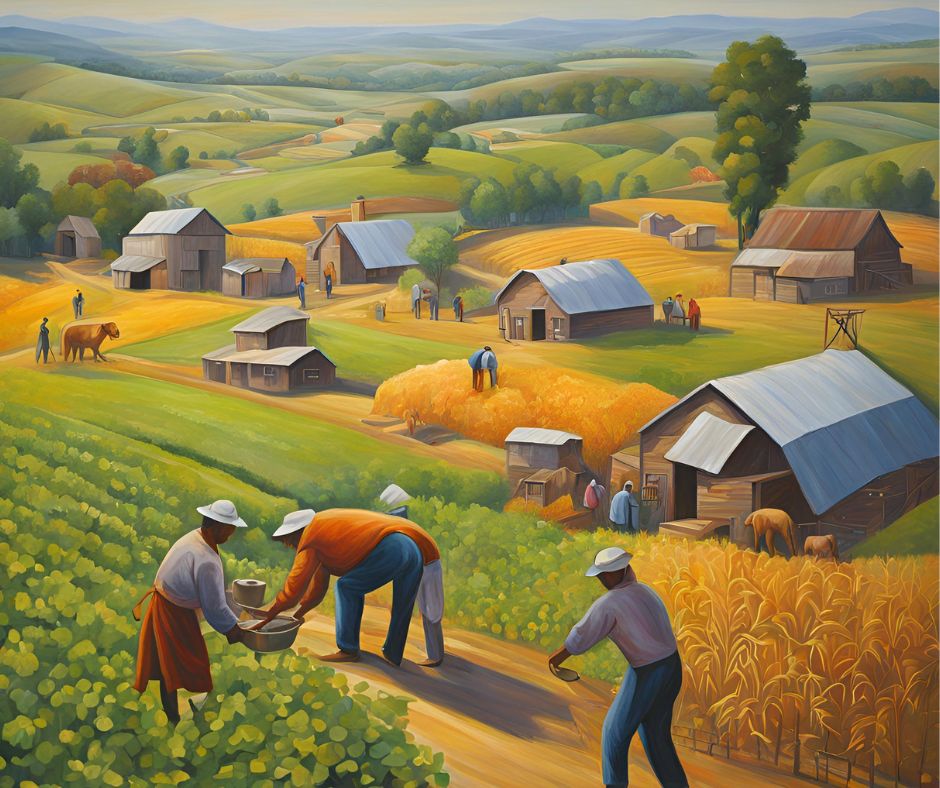
The United Nations Sustainable Development Goals (SDGs) provide a universal framework for ending poverty, protecting the planet, and ensuring prosperity for all. At the Speedy Economic Forum, we align our programs and policies with the SDGs, recognizing that these targets serve as a global benchmark for impactful, inclusive growth. By weaving SDG principles into our initiatives, we amplify the positive outcomes for local communities and the environment.
Why the UN SDGs Matter
The 17 UN SDGs offer a roadmap for tackling humanity’s most pressing challenges—ranging from hunger and healthcare to climate change and social justice. Each goal lays out clear, measurable targets, guiding governments, businesses, and organizations toward a better, more equitable future. For the Speedy Economic Forum, this framework not only complements our iSix0 and Sustainable Development Strategies (SDSs) but also helps us ensure that our efforts align with a broader international agenda.
SDGs in Focus
We concentrate on 10 critical SDGs where our work can make the greatest difference:
SDG 2: End Hunger & Promote Sustainable Agriculture
We champion responsible farming practices, carbon farming, and access to nutritious food, ensuring local communities thrive without compromising future food security.
SDG 3: Good Health & Well-Being
By enhancing healthcare infrastructure and promoting preventive care, we aim to improve overall community well-being, especially in underserved regions.
SDG 6: Clean Water & Sanitation
Clean water is vital for health, agriculture, and economic growth. Our initiatives support water-conserving technologies and infrastructure for safe, equitable water access.
SDG 7: Affordable & Clean Energy
We promote renewable energy sources—solar, wind, tidal, and biomass—to power communities sustainably, reduce emissions, and create new economic opportunities.
5-SDG 9: Industry, Innovation & Infrastructure
Through technology-forward solutions and innovative policy frameworks, we help build resilient infrastructure and promote inclusive, sustainable industrialization.
6.SDG 12: Responsible Consumption & Production
Our programs encourage efficient resource use, waste reduction, and circular economy models, ensuring that economic growth does not deplete our planet’s resources.
SDG 13: Climate Action
From carbon sequestration to climate-resilient agriculture, we support actions that mitigate climate change and enhance community adaptability to its impacts.
SDG 14: Life Below Water
Ocean health is critical for food security, biodiversity, and livelihoods. We back marine biomass initiatives and responsible fisheries management to protect marine ecosystems.
SDG 15: Life on Land
We actively work to conserve terrestrial ecosystems, combat deforestation, and promote sustainable land-use practices to preserve biodiversity and maintain ecosystem services.
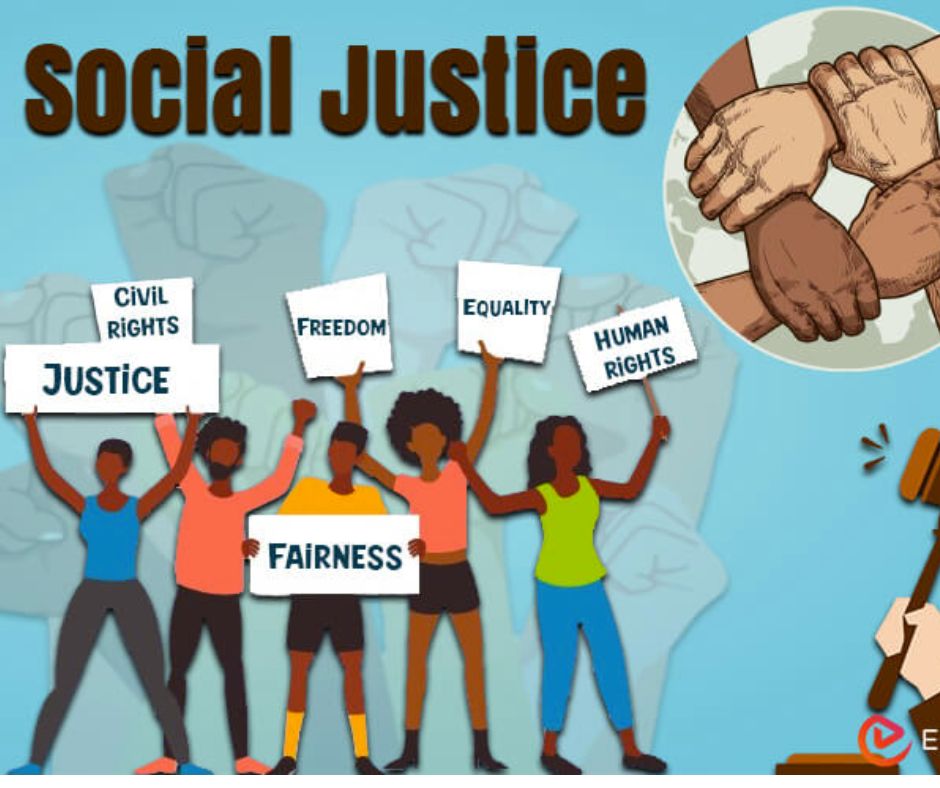
SDG 16: Peace, Justice & Strong Institutions
Transparent governance is central to our Good Administration Practices (GAPs0) approach, reducing corruption and fostering social stability—key ingredients for lasting peace.
Our Nexus Approach
What makes the Speedy Economic Forum unique is our nexus approach, which integrates multi-sector strategies to address these SDGs simultaneously. Rather than tackling issues in isolation, we:
- Link Agriculture & Energy
Encourage innovations like biomass-based energy that support both SDG 2 (food security) and SDG 7 (clean energy). - Tie Governance & Climate Action
Adopt GAPs0 to ensure efficient, ethical governance structures that drive real progress on SDG 13 (climate action) and SDG 16 (peaceful institutions). - Combine Technology & Social Equity
Use cutting-edge solutions to create employment, improve healthcare, and provide educational opportunities, thus advancing SDG 3 (health), SDG 9 (infrastructure), and SDG 10 (reduced inequalities) indirectly.
By designing and implementing projects that cut across multiple goals, we create synergistic impacts—boosting youth empowerment, community resilience, and environmental stewardship in tandem. This holistic method underpins our commitment to building a world where sustainable development is the norm, not the exception.